
Creating a Safer Home: The Benefits of Smoke and Carbon Monoxide Alarms
CHARLOTTE, NC – X-Sense highlights the growing need for whole-home protection as fire behavior in modern households
Press Release Disclaimer: This is a press release distributed through the XPR Media network. It has not been independently verified by our newsroom.
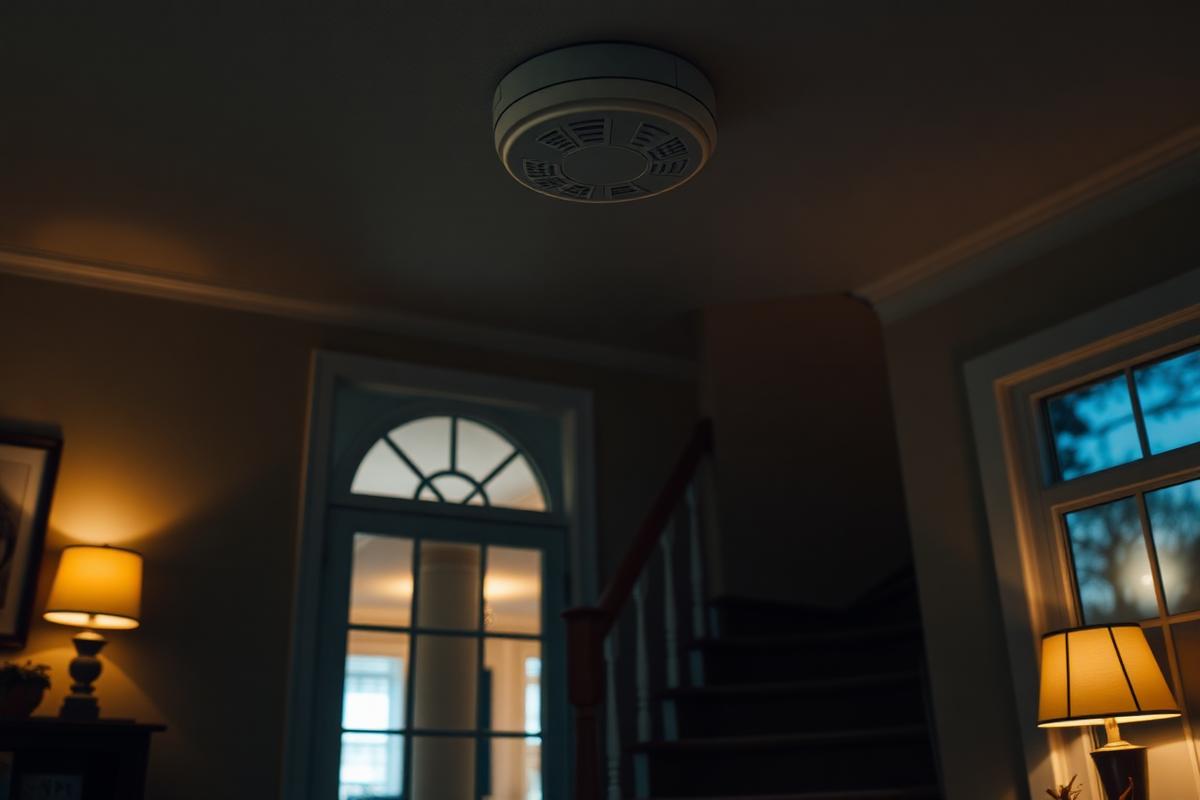

CHARLOTTE, NC – X-Sense highlights the growing need for whole-home protection as fire behavior in modern households becomes increasingly unpredictable.
Combination alarms detect both household hazards and carbon monoxide exposure in one device to support residents’ needs to monitor both visible and invisible dangers.
Inside the house, there are significant differences between smoke and carbon monoxide. Carbon monoxide is colourless and odourless, whereas smoke can indicate a growing fire. Different hazards need different types of sensing, so that households will ensure alarm systems can sense both.
A supplementary CO alarm combines these two types of alarm functions in one alarm. Instead of buying individual CO/smoke detectors for any area appropriate for their placement, homeowners can purchase a combination device to detect both CO and smoke and then trigger the appropriate warning.
It can help make household safety planning easier while minimizing the number of individual devices installed, tested, and maintained.
Two Hazards Require Two Detection Technologies
Smoke alarms and carbon monoxide detectors do different jobs.
A smoke alarm is meant to identify the particles that are formed from a growing fire. Many house alarms are of the photoelectric type, where smoke particles enter a light-based sensing chamber which triggers the alarm.
A carbon monoxide alarm has its own sensor that reads the air for high CO concentrations. The sensors are typically electrochemical, which are designed to respond to CO at a certain concentration.
A combined smoke and carbon monoxide detector contains both sensing technologies within one housing. The device can therefore monitor for smoke and carbon monoxide independently, even though the two hazards behave differently.
The good side effect is that they can be detected from more than one installation point. But consumers should review the size and design of the home to consider how many alarms will be needed.
Combination Alarms Can Simplify Home Safety
Other alarms can work, but can result in an increased number of devices within the home. New testing schedules, power sources, replacement dates, and alert patterns are set for each unit.
Combination alarms combine these functions. One detector is capable of both types of detection and can check one battery or power supply. This could simplify regular maintenance requirements, especially if the house is on many levels and in bedrooms.
A two-in-one solution may also help to minimize confusion while installing. Homeowners don’t need to select a specific hazard detection point for a smoke alarm, CO alarm, or both; they can use an appropriate combination smoke and CO alarm.
This is not to imply that all sites can have the same alarm. Installation should follow the manufacturer’s instructions, applicable building requirements, and the environmental conditions of each room.
Interconnection Expands the Warning Area
People must be able to hear an alarm to be of any value. Devices placed in another room in the basement or a hall on a different floor could not wake the entire household.
Wireless interconnection can solve this problem. If one compatible alarm senses danger, it may send out a signal to other compatible alarms to alert it to danger. The warning is thus sent beyond the room where the hazard first occurs.
X-Sense SC07-W wireless interconnected smoke and CO alarm is an example of a combination device designed for this type of home network.
Technically, the photoelectric sensor is used to detect smoke in the SC07-W while an electrochemical sensor is used to detect CO. The X-Sense wireless alarms are compatible with each other so that separate units can be connected to trigger an alarm response when smoke or hazardous carbon monoxide (CO) is detected.
The product is compatible with up to 18 wireless units, and its effective open-air transmission range is over 820 feet (250 meters). The range could be different indoors due to the impact of walls, floors, furniture, building materials, and electrical equipment on wireless communication.
It is a direct wireless interconnection device. It is not designed for smart-app monitoring and is not compatible with the X-Sense SBS50 base station. It might therefore be a good option for homes that prefer to have alarms that interact with each other which do not require a home internet connection or mobile application.
Long-Life Power Reduces Battery Changes
One of the most vital components of owning an alarm system is maintaining the batteries. An alarm with a missing, disconnected or empty battery cannot offer reliable protection.
Two non-replaceable CR123A lithium batteries are used in the SC07-W, and it has a working battery life of 10 years. It has a 10-year product lifetime too, from the time of manufacturing.
A sealed battery eliminates the need to routinely replace batteries and ensures that the power source remains installed without being removed to power another device. The fact that the alarm will have a long life, however, does not mean that it can be ignored once it has been installed.
Manufacturers’ instructions should be followed when using the device for further testing. The entire unit is to be replaced when the specified service life is reached, or earlier when there is damage, fault or functional failure.
Clear Warnings Support Faster Response
The SC07-W’s alarm volume is at least 85 dB from a distance of 10 feet away. Homeowners should verify during regular testing that it can be heard in bedrooms, living areas, and other occupied rooms.
Other people in the house should be familiar with the various types of alarms. Patterned beep and light sequences can vary for smoke, carbon monoxide, low battery, fault, and end-of-life alerts.
The user manual should be stored where it will be easily accessible to residents for them to determine what each warning means. If an emergency occurs without any planning, knowing these patterns ahead of time can eliminate the hesitation and confusion in responding to the alarm.
Placement and Testing Remain Essential
Combination alarms should be installed only in approved locations. Airflow, room layout, temperature, humidity, and distance from cooking appliances can all affect alarm performance.
Devices should not be covered by furniture, curtains, decorations, or other objects that may prevent smoke or carbon monoxide from reaching the sensors. They should also remain clean and free from dust or debris.
When interconnected alarms are used, testing should verify both the individual unit and the wider network. A successful network test confirms that the connected alarms can communicate and sound together.
Building a More Complete Safety Plan
While combination alarms can make things easier to detect, they are just part of a home-safety plan. Families should also keep their fuel-burning devices maintained, make an evacuation plan, designate an outside meeting spot, and make sure that everyone knows what to do in the event of a fire or CO alarm.
Modern combination alarms provide a more coordinated level of protection within the house when combining two different types of sensing devices, wireless interconnection, and long-life power. They are only truly useful if they are placed in the right positions, tested regularly, replaced as necessary, and have a proper emergency response protocol.
About X-SENSE Innovations
Founded in 2013, X-SENSE Innovations operates from its registered U.S. address at X-SENSE USA LLC, 1209 Orange St, Wilmington, DE 19801, and specializes in developing certified home fire and safety solutions for both residential and commercial environments. The company focuses on producing professional and user-friendly safety devices, including domestic fire alarms such as smoke, carbon monoxide, and heat alarms, as well as smart home safety systems covering fire protection, intrusion detection, and indoor environment monitoring.
More information is available at www.x-sense.com.
Official company social media profiles: Facebook and Instagram.
Media Detail
Contact Person Name: Farrukh
Company Name: X-Sense
Email: service@x-sense.com
Website: https://www.x-sense.com/
Phone: +1 (833) 952-1880
