Dr. Egilius Spierings, Headache and Facial Pain Expert, Says: Treat the Migraine, Prevent the Next One
Dr. Egilius Spierings explains how migraine care requires both treatment and prevention—not one or the other LOS
Press Release Disclaimer: This is a press release distributed through the XPR Media network. It has not been independently verified by our newsroom.
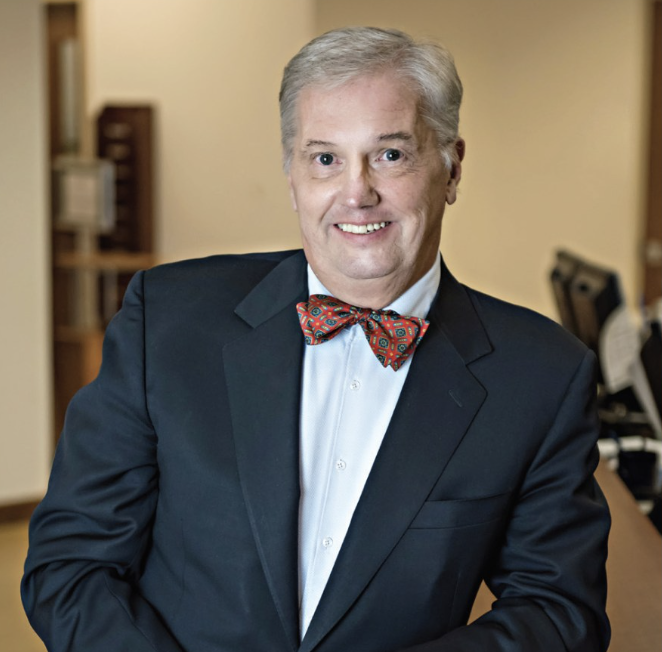

Dr. Egilius Spierings explains how migraine care requires both treatment and prevention—not one or the other
LOS ANGELES, CA, UNITED STATES, August 17, 2026 /EINPresswire.com/ — For people living with migraine, the goal should be more than simply getting through the next attack. With more proven treatments and preventive therapies available than ever before, patients have options to both manage migraine when it occurs and reduce the burden of future attacks, says Dr. Egilius Spierings, neurologist, pharmacologist, best-selling author, and internationally recognized headache specialist.
“There are many ways to approach migraine. There are treatments for the attack, preventive treatments, and different approaches depending on the individual patient. It is not one or the other,” Dr. Spierings says.
He adds that effective migraine care should address both what happens during an attack and how to reduce future attacks. Acute treatments can help patients manage migraine when it occurs, while preventive therapies can help reduce the frequency, severity, or overall impact of future attacks.
“The goal should not simply be to survive the next migraine,” says Dr. Spierings. “We want to treat the migraine when it happens and work to prevent it from happening again. These approaches complement one another.”
People living with migraine have more treatment options than ever, including CGRP-targeted therapies, such as CGRP monoclonal antibodies and gepants, along with other acute and preventive medications. The appropriate approach depends on the patient’s type of headache or migraine, symptoms, medical history, frequency of attacks, and response to previous treatments.
“There is more than one way to deal with migraine suffering,” notes Dr. Spierings. “It is not one or the other. We can treat the migraine, and we can prevent the migraine.”
Dr. Spierings points out that one of the biggest challenges for people living with migraine and chronic headaches is knowing where to turn. Patients may try over-the-counter medications, prescription treatments, or advice from people around them without fully understanding what type of headache they have or which treatments may be appropriate.
“Knowledge is key. Research is fundamental,” explains Dr. Spierings. “If you are suffering and you are not sure what to do, do your research. Find someone who understands headaches and migraine and can help you determine what options are available.”
His book, Headaches: Why You Have Them, What You Can Do About Them, offers readers a starting point for understanding headaches, exploring potential causes and learning about approaches that may help them move toward meaningful relief. For people who have spent years simply trying to get through their next migraine, Spierings says seeking knowledge and expert guidance can be an important first step.
“People should not have to suffer unnecessarily,” concludes Dr. Spierings. “There is real help available. The first step is learning what that help looks like and finding the right person to guide you.”
About Dr. Egilius L.H. Spierings
Dr. Egilius L.H. Spierings, MD, PhD, is a neurologist, pharmacologist, and internationally recognized headache specialist with decades of experience in the diagnosis, treatment, and research of migraine, headaches, and facial pain. He has held academic positions at Harvard Medical School and Tufts University and currently serves as Medical Director of the Greater Boston Headache Center. Dr. Spierings is also the author of Headaches: Why You Have Them, What You Can Do About Them, a practical guide to understanding and managing headache disorders.
To learn more about Dr. Spierings and his work, please visit: https://www.help4headache.com/
Dr. Egilius L.H. Spierings is available for interviews.
Amanda Kent
Boundless Media USA
+1 313-403-5636
email us here
Legal Disclaimer:
EIN Presswire provides this news content “as is” without warranty of any kind. We do not accept any responsibility or liability
for the accuracy, content, images, videos, licenses, completeness, legality, or reliability of the information contained in this
article. If you have any complaints or copyright issues related to this article, kindly contact the author above.

Media gallery