Climate Change Disrupts Epic Migrations of Arctic Birds
Migratory birds, including Pectoral sandpipers that breed in Alaska, undertake annual journeys of 17,000 miles, and climate change is making it harder for them to synchronize their travel with seasonal changes.

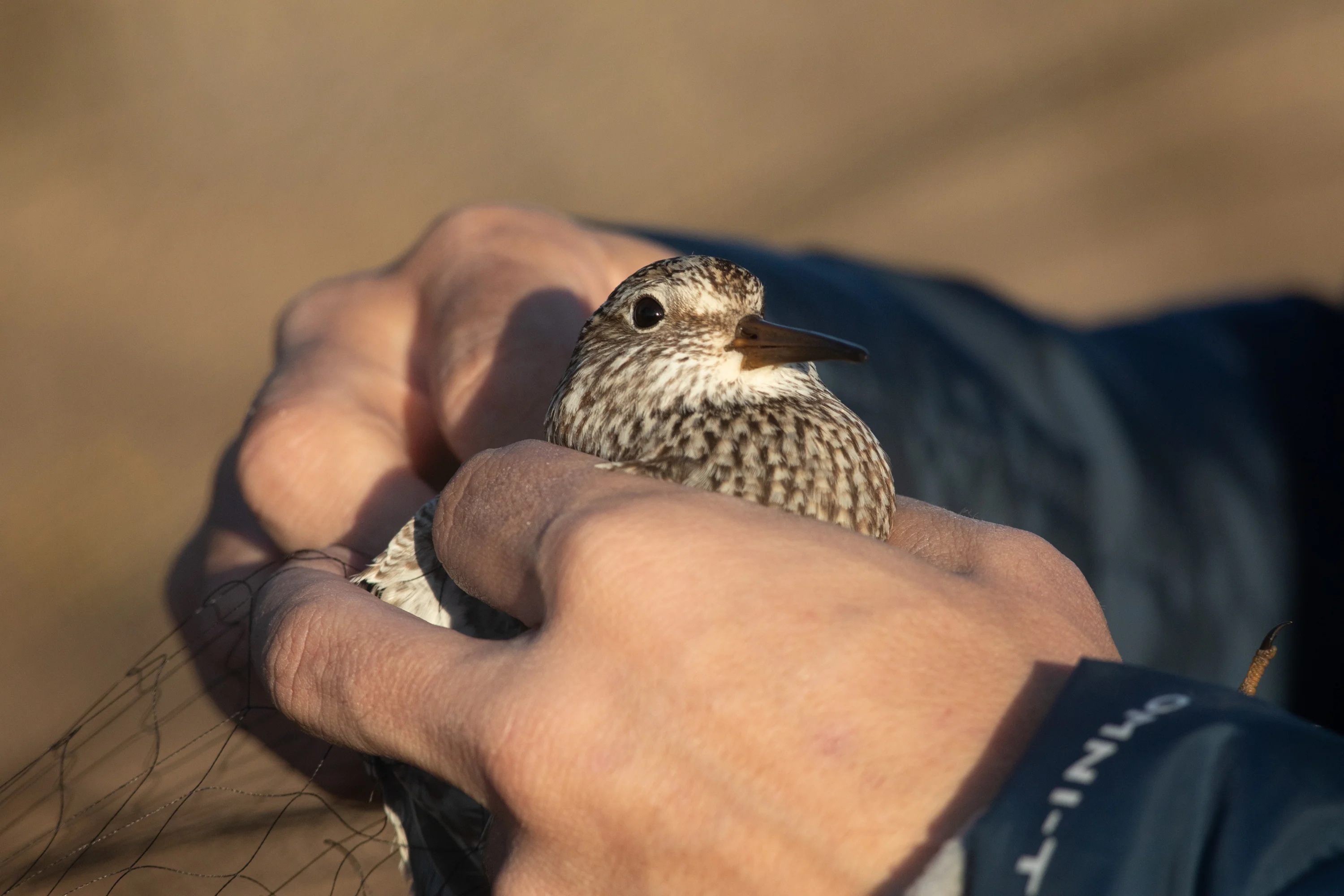
 Baton Rouge, LA, November 16, 2026 — Migratory birds are undertaking vast annual journeys, facing increasing challenges as climate change alters the timing of seasonal environmental cues. Among these travelers are Pectoral sandpipers, species that breed in Alaska and embark on journeys spanning up to 17,000 miles.
These long-distance migrations are finely tuned biological events, often synchronized with the availability of food resources and suitable breeding conditions that change with the seasons. However, global climate patterns are shifting, creating a temporal mismatch for many species.
The Arctic, a critical breeding ground for numerous migratory bird populations, is experiencing warming at a faster rate than many other parts of the globe. This rapid change can lead to earlier springs, altered plant growth cycles, and shifts in insect emergence – all vital components of the food web that birds rely on during their breeding season.
For birds like the Pectoral sandpiper, arriving at their breeding grounds at the precise moment when food is most abundant and conditions are optimal for raising young is crucial for survival and reproductive success. When the timing of these environmental resources deviates from the birds’ migratory schedule, which is often dictated by cues like day length that do not change, it can lead to a cascade of negative effects. These may include reduced food availability upon arrival, lower chick survival rates, and overall decreased breeding success.
The 17,000-mile round trip undertaken by some of these birds represents an immense expenditure of energy and a significant evolutionary feat. The ability of these species to adapt to or cope with the rapidly changing environmental rhythms posed by climate change is a growing concern for conservationists and ornithologists studying avian populations worldwide.
Story summarized from the original created by Lauren Sommer on www.npr.org, see more information here.
Media gallery